
San Antonio Military Relocations: Your Complete 2026 Guide
San Antonio military relocations in 2026 continue to center on Joint Base San Antonio, which includes Fort Sam Houston, Lackland Air Force Base, and Randolph Air Force Base. According to Joint Base San Antonio, the installation’s regional economic impact exceeds $5.2 billion annually, underscoring its scale and stability. That presence shapes housing patterns along Loop 1604, Interstate 35, and U.S. 281, influencing commute times, rental rates, and long-term ownership strategies for active-duty personnel, reservists, civilian employees, and retired military households.
How is Joint Base San Antonio organized for incoming military households?
Joint Base San Antonio operates as an integrated network rather than a single post, which shapes every aspect of San Antonio military relocations. Fort Sam Houston sits near downtown along Broadway and New Braunfels Avenue, while Lackland Air Force Base anchors the southwest side near Highway 90. Randolph Air Force Base lies northeast off Interstate 10 and FM 78. According to U.S. Census Bureau data through 2023, San Antonio’s population of about 1.5 million supports substantial off-base housing around each gate.
Each JBSA location has distinct neighboring communities. Fort Sam Houston connects quickly to Alamo Heights, Terrell Hills, and the Pearl District via Broadway. Lackland Air Force Base relies heavily on housing near Marbach Road, Westover Hills, and Highway 151, with retail hubs such as Ingram Park Mall and South Park Mall. Randolph Air Force Base draws many households to Universal City, Schertz, and Converse, where subdivisions near Pat Booker Road and FM 78 balance newer builds with established streets.
Understanding mission demands also matters. Medical training and headquarters roles at Fort Sam Houston often involve more traditional office schedules. Training missions at Lackland Air Force Base can require early formations and late shifts, making proximity to Military Drive and Old Highway 90 valuable. Randolph Air Force Base flight operations influence preferences for neighborhoods along FM 3009 and Nacogdoches Road, where predictable routes shorten gate access. That variety allows incoming households to match duties with compatible commuting corridors.
What housing options best fit San Antonio military relocations?
San Antonio military relocations typically evaluate on-base housing, short-term rentals, and long-term ownership. According to the Defense Travel Management Office’s BAH Calculator, 2026 Basic Allowance for Housing rates in the San Antonio area range broadly, from roughly $1,500 to more than $2,800 per month depending on rank and dependency status. That spread supports apartments near Downtown San Antonio, townhomes in Stone Oak, and single-family homes in areas like Helotes and China Grove.
On-base housing at Fort Sam Houston, Lackland Air Force Base, and Randolph Air Force Base offers predictable commutes and community services but less neighborhood choice. Off-base rentals appear around Vance Jackson Road, Blanco Road, and De Zavala Road, serving households pursuing flexibility during one- or two-year assignments. According to Realtor.com data through early 2026, entry-level single-family homes in San Antonio often list between $260,000 and $360,000, making ownership attainable for many VA-eligible buyers.
Evening walks through the Pearl District highlight why some relocating military households prioritize urban living. The glow from string lights along the San Antonio River Walk reflects off the water, while the smell of fresh tortillas from La Gloria mingles with roasted coffee drifting from Local Coffee at the Pearl. Soft live music spills from Hotel Emma’s courtyard, and the cool stone underfoot along East Grayson Street contrasts with the warm Texas air, creating a distinctly walkable, sensory-rich environment.
How do commute patterns and transportation affect daily life?
Commute planning plays a central role in San Antonio military relocations because JBSA facilities are spread across nearly 40 miles. Morning drive times from Stone Oak to Fort Sam Houston via U.S. 281 can reach 35 minutes, while trips from Alamo Ranch to Lackland Air Force Base along Loop 1604 and Highway 90 may run 25 to 40 minutes. According to traffic analyses summarized by VIA Metropolitan Transit, congestion peaks primarily along Loop 410 and Interstate 10 during standard rush hours.
Some households use park-and-ride services from Northwest Transit Center near Fredericksburg Road, especially when duty stations sit close to Fort Sam Houston or downtown clinics along East Houston Street. Others favor proximity to key corridors instead of absolute distance. Neighborhoods near Babcock Road, Bandera Road, and Hausman Road allow relatively fast access to both Medical Center employers and Lackland Air Force Base. Shorter surface-street routes near Randolph Air Force Base often follow Pat Booker Road, Kitty Hawk Road, and FM 1518.
Sunrise drives along Harry Wurzbach Road toward Fort Sam Houston illustrate how commutes can feel more manageable when scenery cooperates. Early light glows over the treetops in Alamo Heights, the air carrying faint notes of brewed coffee from Broadway cafés and the earthy scent of damp grass in Brackenridge Park. The subtle rumble of traffic on Interstate 35 fades behind as the stone walls near the Fort Sam Houston gate come into view, signaling the transition from residential calm to mission focus.
Which schools and amenities support relocating military families?
School zoning strongly influences neighborhood selection during San Antonio military relocations. North East Independent School District and Northside Independent School District serve large portions of the region around Fort Sam Houston and Lackland Air Force Base. According to GreatSchools, Ronald Reagan High School in Stone Oak receives ratings in the upper range, making nearby streets such as Wilderness Oak and Huebner Road popular among households seeking academically strong campuses and established extracurricular programs.
Areas surrounding Randolph Air Force Base often feed into Schertz-Cibolo-Universal City Independent School District, which includes Samuel Clemens High School along Elbel Road. Magnet and specialty options near Fort Sam Houston include schools accessible from Broadway, Hildebrand Avenue, and Austin Highway. Parks and recreation amenities also matter. Brackenridge Park, McAllister Park, and Phil Hardberger Park provide extensive trails and sports fields, while Morgan’s Wonderland along Wurzbach Parkway offers inclusive attractions that appeal to multi-generational military households.
Retail and healthcare infrastructure add another layer of convenience. The South Texas Medical Center near Wurzbach Road and Babcock Road anchors major hospital systems. Shopping and dining clusters at The Rim and The Shops at La Cantera along Interstate 10 supply entertainment, while North Star Mall near Loop 410 and San Pedro Avenue serves more central neighborhoods. Grocery access through numerous H‑E‑B locations on Blanco Road, Thousand Oaks Drive, and Potranco Road reduces weekly errands for time-constrained service members.
How should finances and timelines be structured for 2026 relocations?
Financial planning for San Antonio military relocations often starts with VA loan eligibility. According to the U.S. Department of Veterans Affairs at VA Home Loans, qualified borrowers can finance with 0% down, subject to entitlement limits and lender underwriting. That structure, combined with San Antonio’s comparatively moderate pricing, allows many households to transition from renting to owning after one tour. Some compare VA terms with conventional loans requiring 5% down or FHA loans with a minimum 3.5% down payment.
Tax and insurance costs also deserve attention. According to property tax summaries from Bexar County, effective property tax rates often fall in the approximate range of 2.0% to 2.4% of assessed value, depending on jurisdiction and exemptions. Combined with homeowners insurance, that can add several hundred dollars per month on a home priced between $300,000 and $400,000. Households planning rapid subsequent PCS orders sometimes favor townhomes or smaller single-family properties to balance costs and resale flexibility.
Timeline management is just as critical as rate comparisons. Many commands at Fort Sam Houston, Lackland Air Force Base, and Randolph Air Force Base issue PCS orders 60 to 120 days before report dates, leaving limited time to coordinate showings, inspections, and appraisals. Staggered lease end dates, overlapping temporary lodging near Walters Street or Military Drive, and early conversations with lenders streamline transitions. Clear budget limits and preferred closing windows reduce last-minute stress during already compressed reporting cycles.
The $5.2 billion annual economic impact cited at the start of this guide reflects how deeply Joint Base San Antonio shapes long-term housing stability, job growth, and infrastructure investments across the region. That figure from Joint Base San Antonio also underscores why installation-related moves remain a defining feature of the metropolitan housing market in 2026. The San Antonio Board of Realtors market statistics portal provides ongoing data on listing activity, inventory, and pricing across major submarkets linked to JBSA gates. Households that register listing alerts, monitor neighborhood-level days-on-market by late March, and schedule property tours within 48 hours of promising new listings before the spring PCS surge typically secure stronger terms and avoid competing bidding cycles that emerge when delayed decisions push searches into late summer.
FROM OUR BLOG
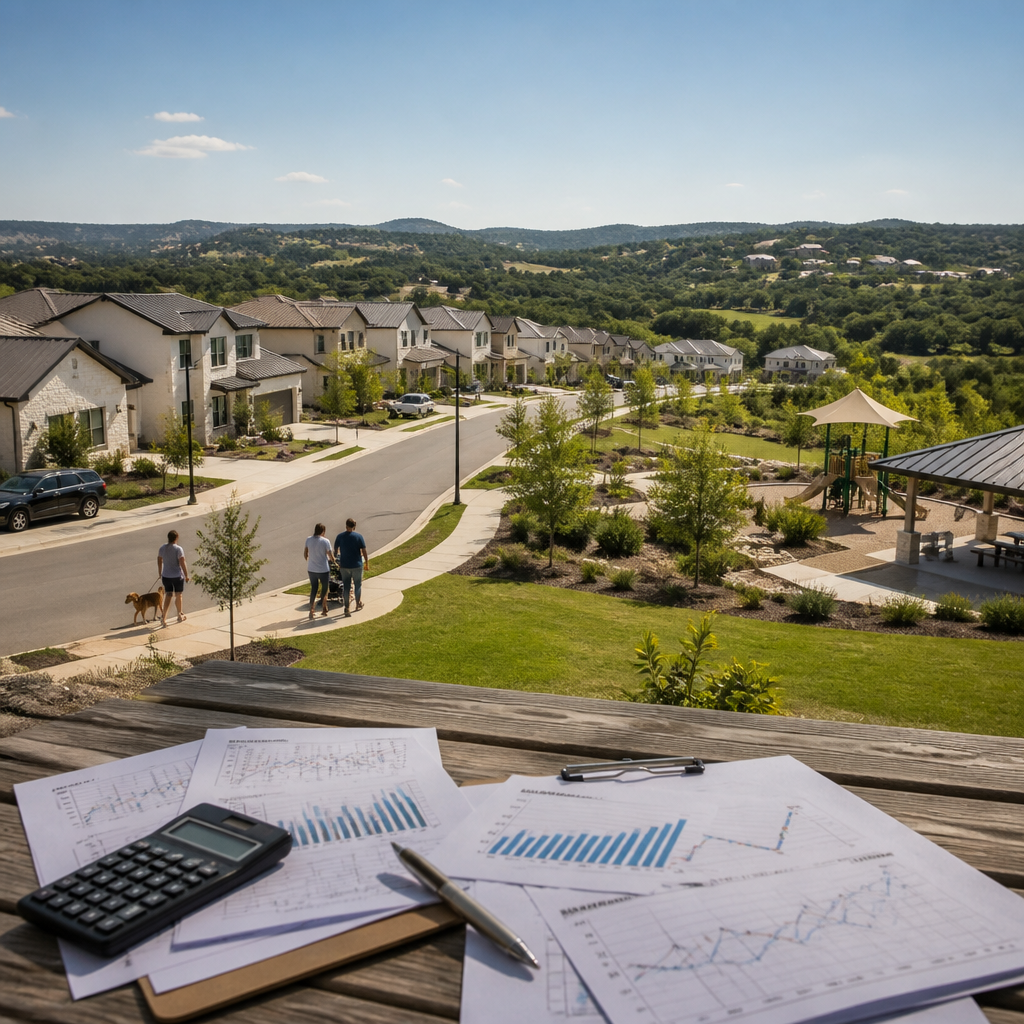

First-Time Homebuyers in Fair Oaks Ranch: Tips and Resources for 2026
First-Time Homebuyers in Fair Oaks Ranch: Tips and Resources for 2026 First-time homebuyers in Fair Oaks Ranch face a competitive but rewarding market heading into 2026. According to the National Association of Realtors, first-time buyers made up about 32% of recent U.S. home purchases, signaling st

Navigating VA Loans in San Antonio: A Complete Guide for Military Homebuyers
Navigating VA Loans in San Antonio: A Complete Guide for Military Homebuyers San Antonio’s military presence shapes nearly every block, from Joint Base San Antonio to the neighborhoods around Fort Sam Houston. According to U.S. Census QuickFacts, veterans account for roughly 7% to 8% of the city’s p
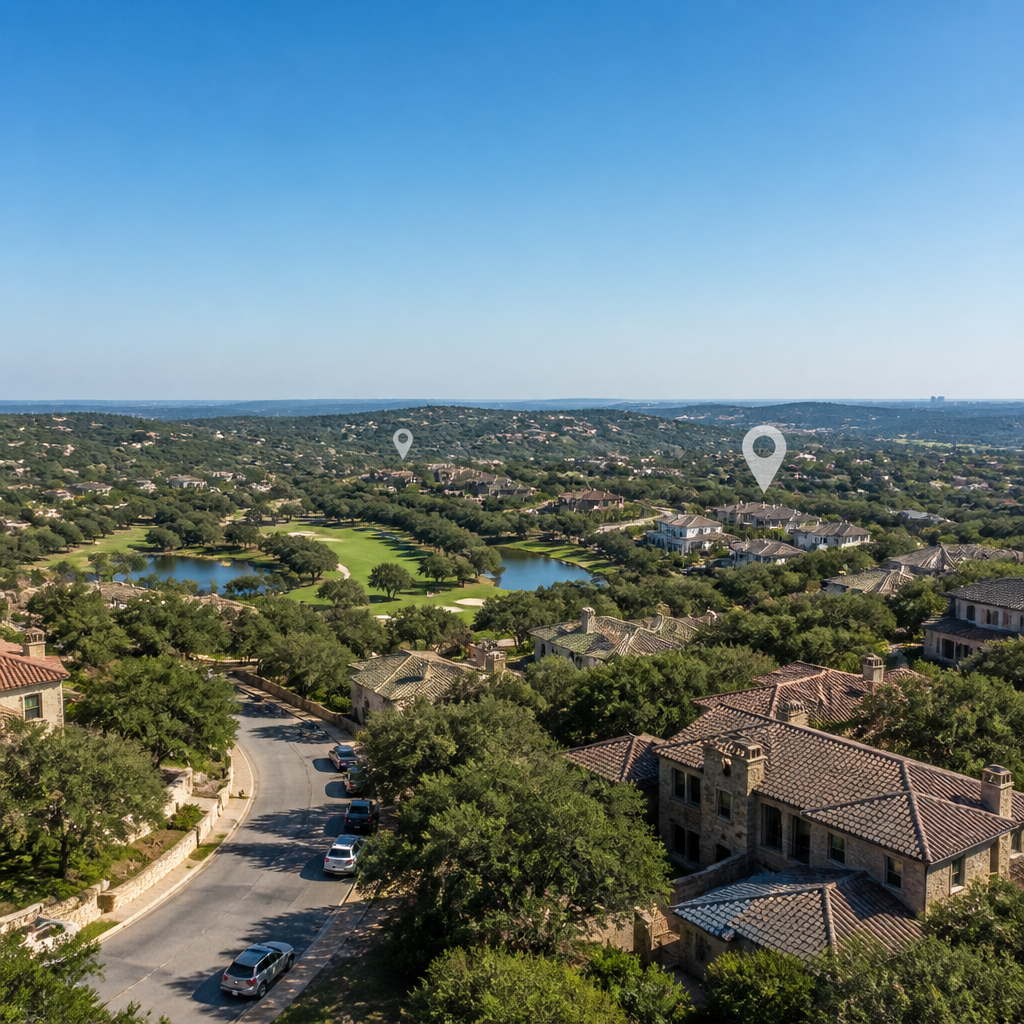
Relocation Services in The Dominion: Your Essential Guide for a Smooth Move
Relocation Services in The Dominion: Your Essential Guide for a Smooth Move Relocation services in The Dominion play a crucial role for households moving into this gated community along Interstate 10. According to United Van Lines, approximately 61% of interstate moves to Texas in 2023 were inbound,